Advice can only take you so far.
You may understand what to do, but your progress begins when you try it with another person.
Communication skills for the AI era
AI can help you write, research, and prepare faster. When the moment matters, whether you are in an interview, a meeting, or a difficult conversation, you still need the person in front of you to understand you, trust you, and believe in what you are saying.
That is what I can help you practice.
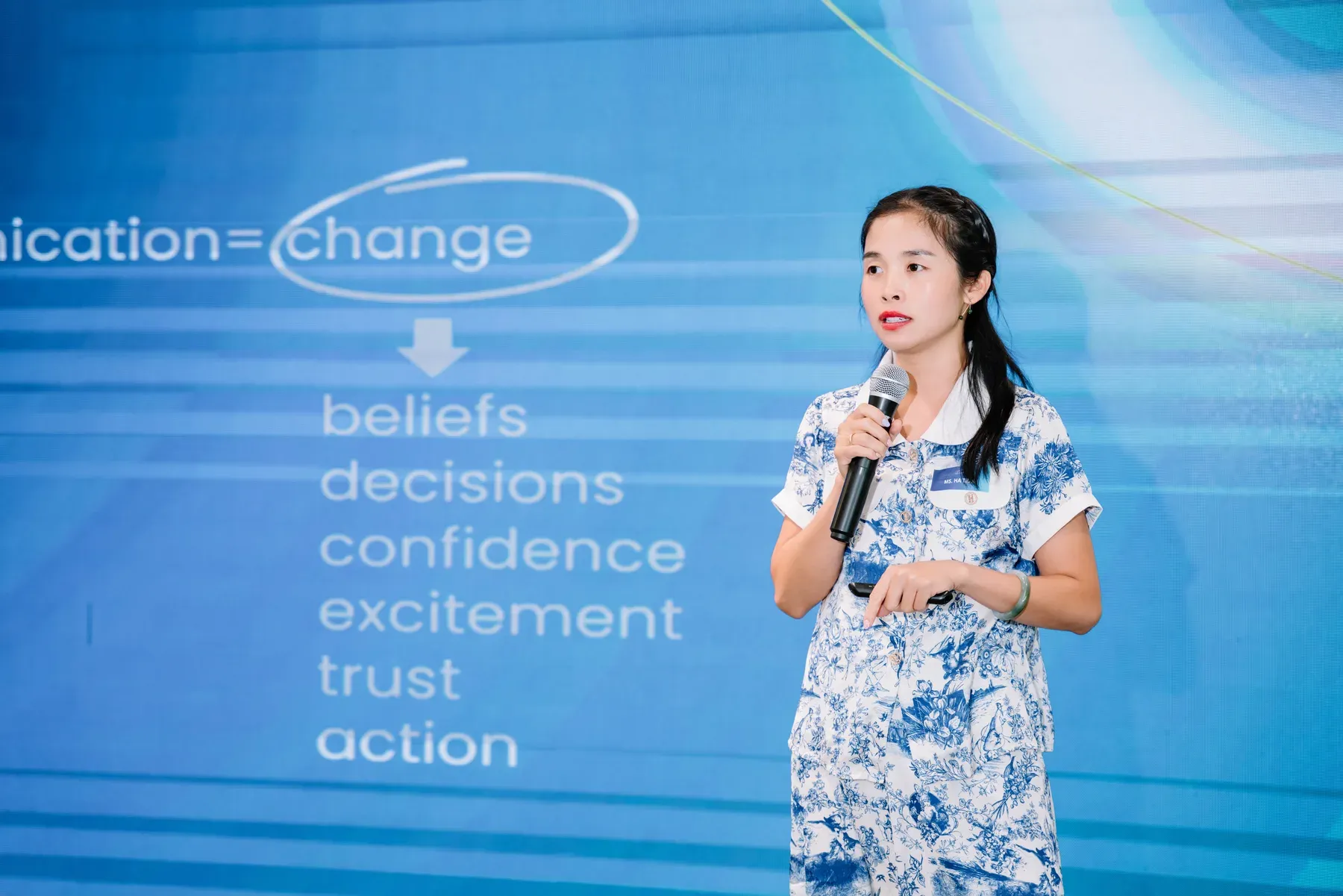
Why this is worth building
I believe human skill matters even more when technology is good. As knowledge becomes easier for you to access, people pay more attention to how you use it, including how you listen, explain, decide, adapt, and bring others with you.
Employers are already looking for these abilities. In NACE’s Job Outlook 2026 survey, seven in ten employers said they use skills-based hiring, with communication, teamwork, and critical thinking among the capabilities they seek.
“AI can draft the memo, but it can’t read the room.”
Kelly Bradley, RBC CHRO · Harvard Business School
Where learning can fall short
Athletes prepare before the game. You also need a safe place to practice, make adjustments, and build the instincts you can rely on when the pressure is real.
You may understand what to do, but your progress begins when you try it with another person.
You do not have to feel confident before you begin. Repetition helps the situation feel more familiar over time.
Your goal is to help another person understand you, trust you, and know what to do next. You can do that while still sounding like yourself.

How the skill gets built
When we work together, you will practice a real situation, notice what helped, and try it again with one useful adjustment.
Why me
I grew up in rural Vietnam and did not begin learning English until I reached university. Years later, I became the first person from Vietnam to attend IE Business School’s MBA program and the youngest member of the inaugural cohort of the U.S. Department of State Professional Fellows Program.
After moving to the United States, I built my career at Google, UserTesting, and ClickUp. I also held two Chief of Staff roles, including one at Fetcher, where I supported the company through a fundraising process that valued it at more than $100 million.
English was not the language I grew up speaking, so I had to learn how to make my ideas clear across languages, cultures, and rooms. I improved by paying attention to how people responded, practicing, and trying again.
Those experiences taught me that you can learn these behaviors through attention and practice, even if communication has never felt natural to you.
Read more of my storyWatch, talk, or practice
You can see where I am speaking, book a conversation with me, or explore the ways we can work together.
Watch
Find an upcoming public talk, workshop, or another chance for us to learn together.
Talk
Talk with me about a speaking engagement, a workshop, coaching, or the skill you want to build.
Practice
Build your communication skills through a four-month, in-person program with peer practice and coaching from me. The next group starts in November 2026.
Planning something for a group? See talks and workshops
The tools will keep changing, but your ability to think clearly with other people, communicate what matters, and earn trust will continue to serve you wherever you go.